

A pumping session squeezed in between a feed and a nap is not the moment for a complicated spreadsheet. When you are tired, managing bottles, and trying to get back to sleep, the best way to track pumping sessions easily is the one you can actually keep up with. A few useful details, captured right after a session, are enough to help you spot patterns and feel more confident about your routine.
Tracking is not about turning feeding into a performance review. It is a practical way to remember what happened when every day starts to blur together.
Quick answer: To track pumping sessions easily, log three things right after each session: the time, how long you pumped, and the total amount, using one unit every time. Keep a separate note for milk you store in the fridge or freezer. Use one log only, review it once a week instead of after every session, and bring questions to a lactation consultant or your doctor.
This guide is general information, not medical advice. Every baby is different, so ask your pediatrician or health visitor about your own baby.
What should you track after each pumping session?
Start small. For most pumping parents, the most helpful record includes the date and time, how long you pumped, and the total milk expressed. If you pump one side at a time, you may also want to note the amount from each side. That can help if you are working through comfort issues, a supply concern, or simply noticing a difference between sides.
Add a brief note when something unusual affects the session. Maybe your baby fed just before you pumped, you used a different flange size, you missed your normal session, or you felt especially engorged. A quick phrase such as “after nursing” or “missed afternoon pump” gives the number context without becoming a diary entry.
Storage details are worth tracking separately if you are building a freezer stash or preparing bottles for child care. Record how much milk went into the refrigerator or freezer and label the container with the date. The pumping log tells you what your body expressed. The storage record tells you what milk is available. They are related, but they are not always the same number.
| Detail | Pumping log | Storage record |
|---|---|---|
| What it answers | How much did I express, and when? | How much milk is ready to use? |
| Basic entry | Time, duration, total amount | Amount stored, date on the label |
| Helpful extras | Side, short note (after nursing, missed session) | Fridge or freezer, which bottles to use first |
| Who checks it | Mostly you | Anyone preparing bottles |
Why does simple tracking work better?
A pumping routine can change week to week. Sleep shifts, your baby starts nursing differently, work schedules return, or a growth spurt changes demand. Looking at one session in isolation can be discouraging, especially if it is smaller than usual.
A simple log shows the larger picture. You may notice that your morning output is consistently higher, that a certain pump time is easy to miss, or that your total production is steady even when individual sessions vary. Those patterns are more useful than chasing a perfect number at every pump.
It also helps with the mental load. Instead of trying to remember whether you pumped at lunch or how much you froze yesterday, you have one place to check.
Where should you track pumping sessions?
Paper, phone notes, and a focused baby-tracking app can all work. The right choice depends less on features and more on whether it is available at the exact moment you finish pumping.
A paper log can feel calming and visible, especially if a partner or another caregiver is helping. The trade-off is that totals and older entries are harder to find. A basic note on your phone is fast, but entries get messy after a few days.
For many parents, a dedicated tracker is the easiest middle ground. It keeps pumping, feeding, sleep, and diaper information together without asking you to build a system from scratch.
Whatever you choose, make it your only official log. If you record some sessions in a notebook, some in text messages, and some in an app, the system becomes more work than it saves.
How do you build a pumping log routine that fits your day?
The easiest habit is to log a session before you wash the pump parts or put the milk away. Those steps create a natural finish line. If you wait until later, it is surprisingly easy to forget the exact time or combine two amounts in your head.
You do not need to write every detail during the pump. Set a timer if duration matters to you, then enter the result when you are done. If your hands are full, say the amount aloud, make a quick voice note, or ask a partner to add it. The point is to avoid relying on memory six hours later.
Decide in advance what counts as a complete entry, for example time, amount, and a storage note if applicable. With a clear minimum, you are less likely to skip logging because you do not have the energy for extra details.
Keep units consistent
Pick ounces or milliliters and stick with it in your main log. Switching between both makes totals confusing, particularly when more than one person prepares bottles. If a bottle or storage bag uses the other unit, convert it when needed, but keep your tracking view consistent.
The same goes for duration. Use minutes rather than “about half an hour” one day and “25-ish” the next. Consistency makes patterns easier to notice without extra effort.
Do not let the log judge you
Pumping output naturally changes through the day and across your postpartum months. It can also be affected by hydration, stress, pump parts, nursing timing, illness, and how often milk is removed. A lower number does not automatically mean something is wrong.
Use your record as information, not a scorecard. If you see a sustained change that worries you, the log makes a conversation with a lactation consultant or health care professional more specific. The American Academy of Pediatrics also has practical breastfeeding and pumping guidance. One unexpected session is usually just one unexpected session.
How can a pumping log help with work and shared care?
When you are preparing to return to work, tracking helps you estimate how much milk you typically express during your time away from your baby. It can also show whether your planned breaks are realistic. Look at a few ordinary days and adjust your cooler, bottle prep, or pumping schedule. Our bottle feeding guide covers the bottle side of the routine.
For shared care, clarity matters more than detail. A partner does not need a full history of each session, but it helps if they can see what milk is stored, which bottles to use first, and whether you have already pumped recently. If you want everyone on the same page, here is how parents share feeding logs between caregivers.
If you are exclusively pumping, your records may be more detailed because pumping is both your milk-removal routine and your feeding supply. If you nurse and pump occasionally, you may only need to track sessions that affect stored milk or your comfort. There is no single right level of tracking.
How often should you review your pumping log?
A quick weekly glance is often more helpful than checking totals after every session. Look for broad trends: Are certain sessions regularly missed? Are you storing more or less than expected? Is a particular part of the day becoming difficult?
Then make one small adjustment. Set a reminder for the session you tend to forget, move your pump to a more convenient spot, or stop tracking a detail that is not helping. Small changes are easier to keep than a complete routine overhaul.
The goal is not a perfect pumping record. It is a little more clarity during a season that asks a lot of you.
How FeedRight helps
FeedRight Baby Tracker is designed for quick, real-life updates when you need the information to be clear rather than fancy. Pumping, breastfeeding, bottles, sleep, and diapers live in one free log that needs no account and works offline.
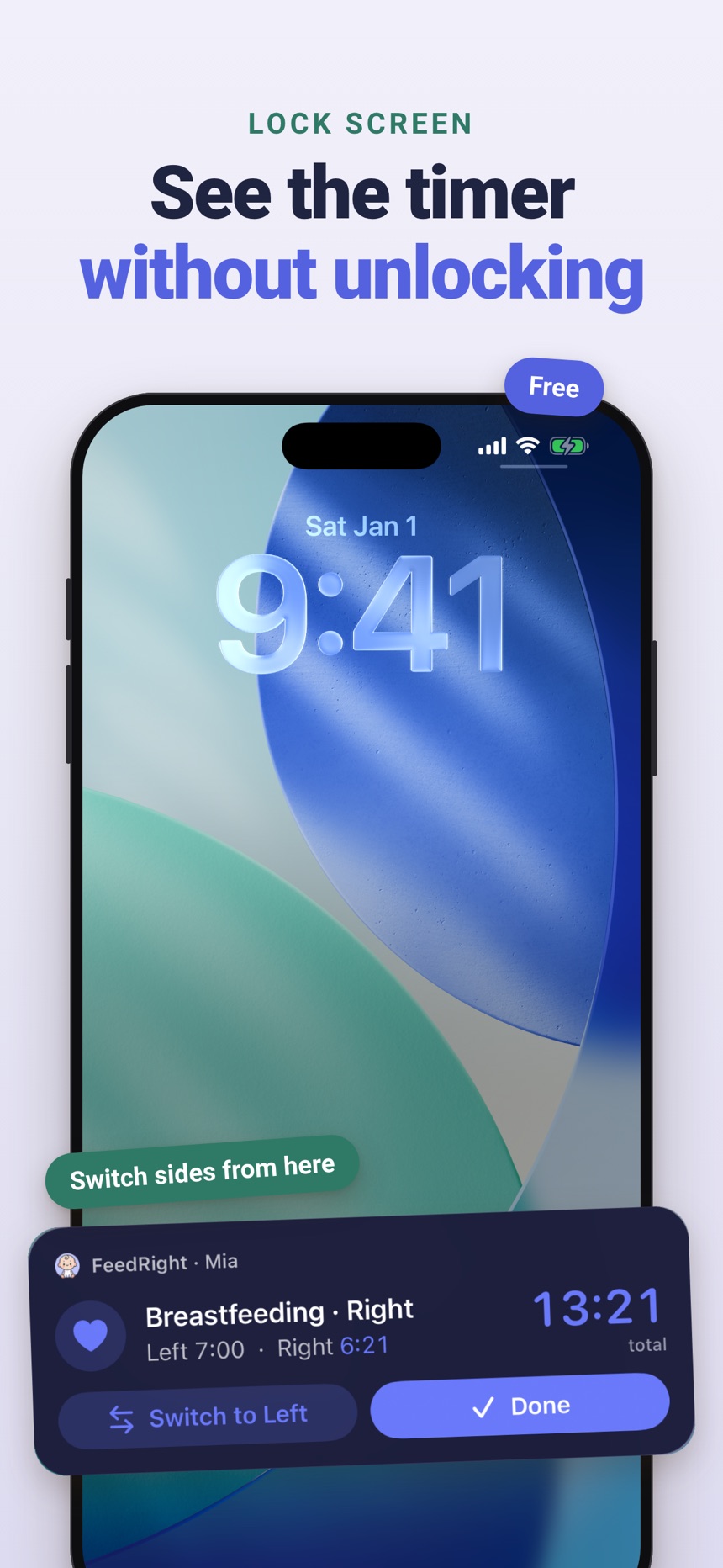
- Log a pumping session in seconds, in metric or imperial units.
- Set reminders for the sessions you tend to miss.
- Review your daily summary and history; FeedRight Premium, an optional subscription, adds 7 and 28 day statistics and family sync.
Download FeedRight on the App Store or Google Play.
Frequently asked questions
What is the easiest way to track pumping sessions?
Log the time, duration, and total amount right after each session, before you wash the pump parts. Use one place for every entry and one unit for every amount.
Should I track each side separately when pumping?
Only if it helps. Per-side amounts can be useful when you notice a difference between sides or are working through a comfort or supply question with a lactation consultant.
Is it normal for pumping output to change from session to session?
Yes, output often varies through the day and from week to week. A single low session is usually not a concern, but talk to a lactation consultant or your doctor if a drop lasts or worries you.
Should I log stored breast milk separately from pumping sessions?
Yes. A pumping log shows what you expressed, while a storage record shows what milk is ready to use. Keeping them separate makes bottle prep and child care handoffs clearer.
How do I track pumping when I go back to work?
At work, log each session’s time and amount right after pumping, before you wash the parts, and note how much milk goes into the cooler or fridge. A few ordinary days of logs show whether your planned breaks are realistic.
Should I use ounces or milliliters in a pumping log?
Either works, but pick one unit and use it for every entry so totals stay easy to read. If a storage bag or bottle shows the other unit, convert it when you log it.