
The hard part of bottle feeding is rarely finding another tip online. It is trying to remember the last feed while holding a fussy baby, washing bottles, answering a text, and wondering whether the day has any pattern at all. When every hour feels different, parents usually need less theory and a simpler way to notice what is happening.
Quick answer: A good bottle feeding routine is a repeatable cycle, not a strict timetable: prepare, feed, record, clean, and reset. Log the time, what was offered, and how much was taken, and look at patterns over several days rather than one feed. For amounts, preparation, or any concern, follow your pediatrician’s advice and the instructions for your formula and bottle.
This guide is general information, not medical advice. Every baby is different, so ask your pediatrician or health visitor about your own baby.
A good bottle feeding guide is not a list of amounts to follow. It is a practical system for preparing, recording, and reviewing feeds so you can respond to your baby with more confidence and give your pediatrician clear information when questions come up.
What is bottle feeding?
Bottle feeding is giving a baby breast milk, infant formula, or another pediatrician-approved feeding option from a bottle. Families may bottle feed full time, occasionally, or alongside nursing, depending on their circumstances and care plan.
How do you build a bottle feeding routine that fits real life?
New parents often feel pressure to create a perfect schedule immediately. Babies do not read schedules, and a routine that is too rigid can create more stress than it solves. Instead, build a repeatable sequence around each feed:
- Prepare: set out a clean bottle and supplies before your baby is upset.
- Feed: give your attention to your baby and their cues.
- Record: note the time, what was offered, and how much was taken.
- Clean: wash the bottle the way its instructions describe.
- Reset: get the station ready for the next feed.
Keep your setup easy to reach. A small feeding station might include clean bottles, the supplies you use to prepare feeds, a burp cloth, and a place to note the time. The principle is simple: fewer decisions when you are tired.
Unlike reconstructing the day from memory, recording each feed as it happens lets you spot useful patterns without turning parenting into a spreadsheet project. A quick note is enough. Save the details that help you and skip the ones that do not.
Decide what you want to track
For many families, the most useful starting point is the time of a feed, what was offered, and how much was taken. You may also want a brief note about how the feed went, especially if you are preparing to talk with your pediatrician or sharing care with a partner, relative, or sitter.
Do not treat a record as a scorecard. A log exists to make handoffs easier and show the bigger picture. If the day changes, the log should make that change visible, not make you feel as if you failed a plan.
A simple record answers everyday questions quickly: Did someone already feed the baby? How long ago was the last bottle? Has this been an unusually different day? Those answers help most during overnight shifts, busy mornings, and the blur of the first few weeks.
How do you keep bottle preparation clear and consistent?
Bottle feeding involves details that matter, from cleaning equipment to preparing and storing feeds. Follow the instructions for your specific bottle, nipple, formula, and storage method, along with guidance from your pediatrician. If instructions differ or something seems unclear, ask rather than guessing.
Separate preparation from the actual feed whenever possible. Set out what you need before your baby is hungry and upset. This is not about perfect efficiency. It is about leaving more attention for your baby when the feed begins.
If more than one person gives bottles, agree on one shared process. Decide where clean bottles go, how prepared feeds are labeled if needed, and where the latest notes live. Consistency matters more than an elaborate system only one person understands.
If more than one person gives bottles, a quick shared checklist keeps everyone on the same process.
| Detail | What to agree on |
|---|---|
| Equipment and feeds | Follow the instructions for your bottle, nipple, formula and storage method |
| Supplies | Set out what you need before your baby is hungry |
| Clean bottles | One place everyone knows |
| Prepared feeds | How they are labeled, if needed |
| Latest notes | One shared record every caregiver can check |
| Anything unclear | Ask your pediatrician rather than guessing |
Make handoffs easier
A bottle feeding routine often becomes a team effort, even in a household of two. The person taking the next shift should not have to search through text messages or wake someone up to find out what happened last. A clear shared record gives everyone the same starting point; see how to share baby logs without the group chat for a simple setup.
Use plain language in notes. “Finished calmly” or “Stopped early” is more useful than a vague memory later. Keep observations factual rather than trying to diagnose why something happened.
This also makes pediatrician conversations more productive. If you have concerns about feeding, intake, growth, discomfort, spit-up, or any change that worries you, contact your child’s pediatrician or health visitor. Bring the pattern you observed, when it started, and what has changed. For general background, the AAP explains how often and how much babies usually eat, and our guide on how often newborns should feed summarizes the basics.
Why should you read patterns instead of single feeds?
One feed can be different for many ordinary reasons. A busy day, a new caregiver, a disrupted nap, or a baby simply having an off moment can affect how a feed goes. Looking at several entries over time gives a better sense of the routine than one surprising result.
Patterns also make daily planning less frantic. You may notice that certain parts of the day are more predictable, or that one caregiver’s shift needs a better handoff. These are practical insights, not rules your baby has to follow.
Avoid comparing your baby’s log to someone else’s. Online parenting spaces can help you feel less alone, but another family’s routine is not a prescription for yours. Your pediatrician is the right person to advise on your baby’s individual needs.
Use cues without turning them into a checklist
Parents learn their baby’s signals over time. The useful habit is pausing to observe instead of forcing a schedule or reading every movement as a problem. Your notes can support that learning by showing context around a feed.
Keep the focus gentle and practical. Was the environment unusually noisy? Was the baby settled before the bottle? Did a caregiver change? These details are not medical conclusions, but they can explain why a day felt different.
If you find yourself constantly searching for certainty, narrow the job. Record the next feed, clean up, and move on. The point of a bottle feeding guide is to lower mental load, not add another task.
Which bottle feeding tools do one job well?
Paper notes work. A shared note on a phone can work too. The best method is the one that is available at 3 a.m. and simple enough that every caregiver will actually use it.
Some parents prefer a dedicated tracker because it keeps feeding history in one place and speeds up handoffs. Others want the flexibility of a notebook, especially if they only record a few basics. Neither is inherently better. Choose based on how often you look back, who shares care, and whether a phone-based record feels helpful or distracting. If you are comparing apps, our guide to the best apps for bottle feeding lists what to look for.
Give any tracking method a short trial before changing everything. If it takes too many taps, needs too many categories, or makes you feel monitored, simplify. A useful system should fit into your day quietly.
How FeedRight helps
FeedRight Baby Tracker keeps bottle logging to a quick check during a handoff, a late-night feed, or before a pediatrician visit. It keeps each bottle’s time and amount together, and it is on the App Store and Google Play.
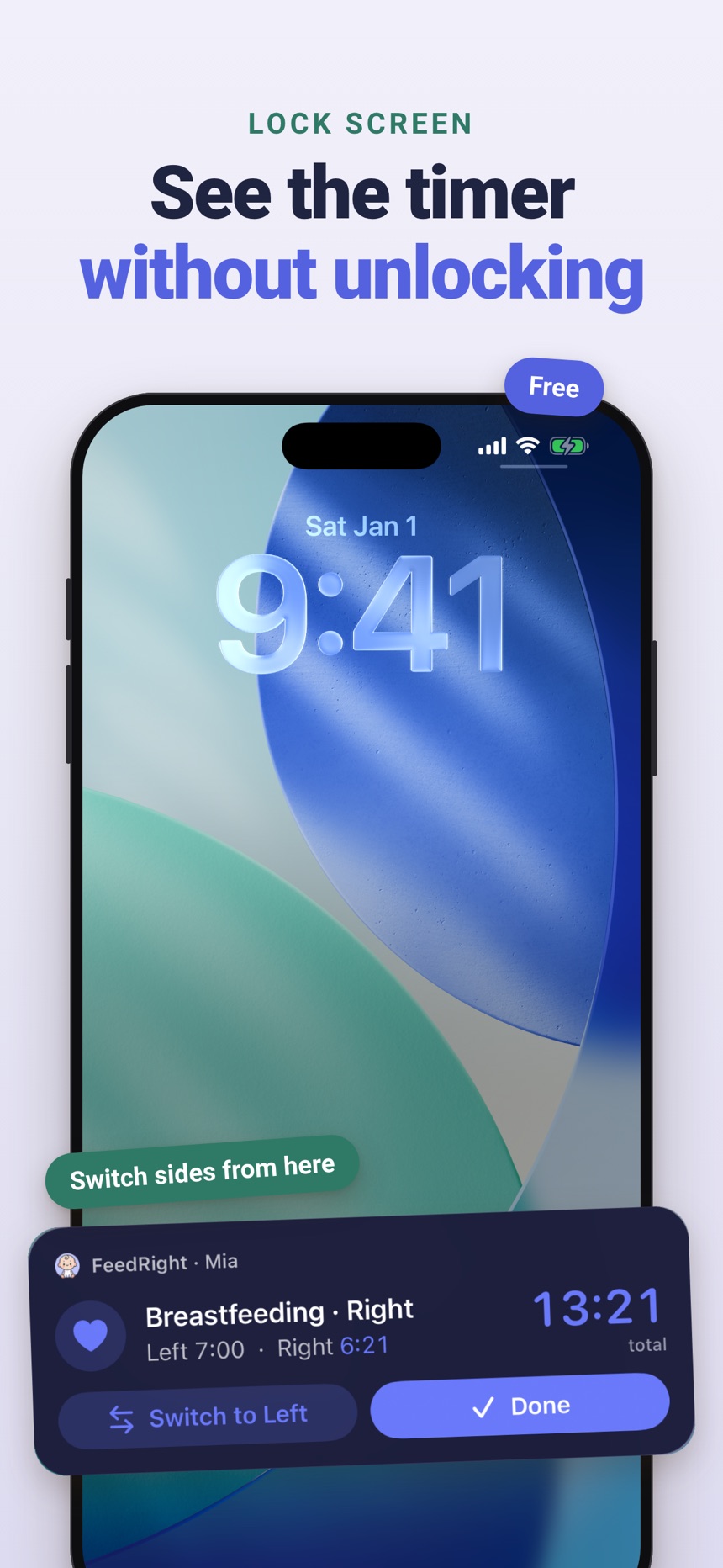
- Log bottles in ml or fl oz, plus pumping and solids.
- Reminders, such as a nudge a few hours after the last feed.
- With FeedRight Premium, partners and other caregivers join free and your phones stay in sync across iPhone and Android.
Frequently asked questions
Do I need a strict bottle feeding schedule?
No. A flexible routine and a simple record are often more useful than trying to make every day follow identical times. For individual guidance about feeding needs or concerns, talk with your pediatrician.
What should I log after a bottle feed?
Start with the time, what was offered, and how much was taken. Add a short factual note only when it would help with caregiver handoffs or a conversation with your pediatrician.
Is an app better than a paper log?
Not always. A paper log works well if it stays visible and everyone uses it. A simple app may be more convenient when several caregivers need the latest information on their phones.
How much should my baby drink per bottle?
Amounts vary with age, weight, and the individual baby, so there is no single number for everyone. Follow your baby’s hunger and fullness cues and ask your pediatrician or health visitor what is right for your baby.
How do I make bottle feeding handoffs easier?
Keep one shared record of each bottle’s time and amount, and agree where clean bottles go and how prepared feeds are labeled. The next caregiver can then see the last feed without searching through messages.
What is paced bottle feeding?
Paced bottle feeding means holding your baby fairly upright, keeping the bottle closer to level and allowing small pauses, so your baby has time to notice fullness. Ask your pediatrician or health visitor if you are unsure how to pace feeds for your baby.