

A baby who wanted to eat not long ago is suddenly rooting, fussing, or asking for another bottle again. You may be watching the clock, wondering whether your baby is getting enough, whether the routine has disappeared, or whether you are missing a problem. Those long, repetitive feeding stretches can feel especially hard when you are already tired.
Quick answer: Cluster feeding is a period when a baby feeds much more often than usual, with short gaps between feeds, often in the evening but sometimes at other times of day. It can feel intense for caregivers and is best understood by looking at the broader pattern over a few days. If you are worried about feeding, diapers, or growth, call your pediatrician.
This guide is general information, not medical advice. Every baby is different, so ask your pediatrician or health visitor about your own baby.
What is cluster feeding?
Cluster feeding is a pattern of several closely spaced feeds over a limited part of the day, when a baby wants to feed repeatedly with little time in between. It is a feeding pattern, not a precise schedule or a rule that every baby will follow.
For some families, the cluster happens in the evening. For others, it appears at a different time or seems to come and go over a few days. Breastfed and bottle-fed babies can both have periods when they seek feeds more often, though the practical details may look different. For a sense of typical feeding frequency, see our guide on how often newborns should feed.
Why can cluster feeding feel so confusing?
Most parenting routines are built around predictability. You feed your baby, settle them, take a breath, and expect at least some space before the next feed. Cluster feeding interrupts that expectation, which can make it feel like something has gone wrong even when it may simply be a temporary shift in your baby’s behavior.
The clock is not always a useful judge. A short gap between feeds does not, by itself, explain why a baby wants to eat again. Babies have changing needs and patterns as they grow, and feeding can also be a source of comfort and connection.
It is understandable to look for a single explanation, especially at the end of a long day. Real life with a baby is rarely that tidy. One evening of frequent feeds can be just one evening. A repeating pattern over time gives you more useful context than a single rough stretch.
What does cluster feeding look like at home?
Cluster feeding often looks less like a neat routine and more like a loop: feed, brief break, fussing or feeding cues, then another feed. You may feel as though you barely finished cleaning up before it is time again. That does not mean you need to diagnose every small change.
Notice what is actually happening rather than relying on memory after a tiring day. A few simple notes are enough:
- When the stretch started and roughly when it eased
- How close together the feeds were
- Diaper changes during and after the stretch
- Anything unusual, such as a new caregiver or a busy day
Unlike reconstructing the day from exhaustion, a simple feeding log lets you spot closely spaced feeds and describe the pattern clearly. It also helps another caregiver understand the handoff without asking you to remember every detail.
Tracking is not about turning your baby into a spreadsheet. It is about reducing the mental load when your hands are full. A quick record of feed times, diaper changes, and any notes you want to remember can give you a calmer view of the day. A feeding timer makes the timing part almost automatic.
Feeding cues matter more than a perfect clock
A schedule can help as a loose reference, but babies do not always follow it. During a cluster-feeding period, a baby may signal that they want to feed again soon after the last feed. Caregivers often notice cues such as rooting, bringing hands toward the mouth, or becoming unsettled, but every baby has their own ways of communicating.
If you are unsure how to read your baby’s feeding behavior, or you have concerns about feeding, growth, hydration, discomfort, or anything that feels unusual, contact your pediatrician or health visitor. They can offer guidance for your baby’s situation, and a feeding specialist may be appropriate when your care team recommends one. The AAP’s breastfeeding pages and the NHS guide to breastfeeding in the first few days are good general references.
How can you make a cluster-feeding stretch more manageable?
The goal is not to force a cluster-feeding session into a normal evening. It is to make the stretch less draining for the people caring for the baby. A little preparation creates breathing room, even when the timing stays unpredictable.
Keep the basics near where you usually feed: water for yourself, a phone charger, burp cloths, and something easy to eat. If another adult is available, agree on small jobs before the busy window starts. One person can handle the feed while another refills water, warms food, tidies up, or simply sits nearby for company. If the clusters spill into the night, our guide on managing night feeds without losing track may help.
Protect your expectations too. This may not be the night for catching up on messages, cooking an elaborate meal, or following a perfect bedtime plan. A shorter to-do list is not giving up. It is a practical response to a season when the next feed may arrive sooner than expected.
For bottle-feeding families, preparing your setup according to the guidance you already follow can make repeat feeds less stressful. For breastfeeding families, a comfortable place to sit and essentials within reach can help. The details differ, but the idea is the same: fewer decisions while tired.
Small, practical steps that help:
| What helps | What it looks like |
|---|---|
| Keep basics close | Water, a phone charger, burp cloths and an easy snack |
| Share small jobs | Another adult refills water, warms food or tidies up |
| Shorten the to-do list | Skip messages and elaborate meals for the night |
| Ask for specific help | Bring dinner, take over cleanup or sit with you |
Let the pattern be temporary until it proves otherwise
Cluster feeding can feel endless while you are in it. That feeling is real, but it does not predict tomorrow. Babies’ routines can shift quickly, and a tough stretch may ease before you have time to build a whole new plan around it.
Avoid measuring yourself against a picture-perfect routine from social media or another family’s experience. Some babies feed in obvious clusters; others have a less noticeable pattern. There is no prize for making a changing routine look effortless.
If frequent feeding is taking a toll on you, ask for support in a concrete way. Instead of saying you need help, ask someone to bring dinner, take over cleanup, sit with you during feeds, or handle a household task. Small, specific help can make a big difference.
When should you check in with a pediatrician?
Cluster feeding describes timing; it is not an answer to every feeding concern. Check in with your pediatrician if you are worried about a change in your baby’s feeding behavior, diaper output, comfort, growth, or ability to feed. Trust the feeling that something needs a professional conversation.
You do not need a perfect record or a polished explanation. A few notes about when feeds happened, what changed, and what you are noticing are enough to start. Your pediatrician can help you sort normal variation from concerns that need closer attention.
This is where tracking can be kind to your future self. When sleep is fragmented, details blur. A brief log is more reliable than trying to replay several days from memory at an appointment.
How FeedRight helps
When the day is a blur, a lightweight tracker makes the pattern easier to see. If you want a simple way to log feeds and everyday routines, FeedRight Baby Tracker logs each feed in one tap, which helps when feeds bunch together in the evening. It is on the App Store and Google Play.
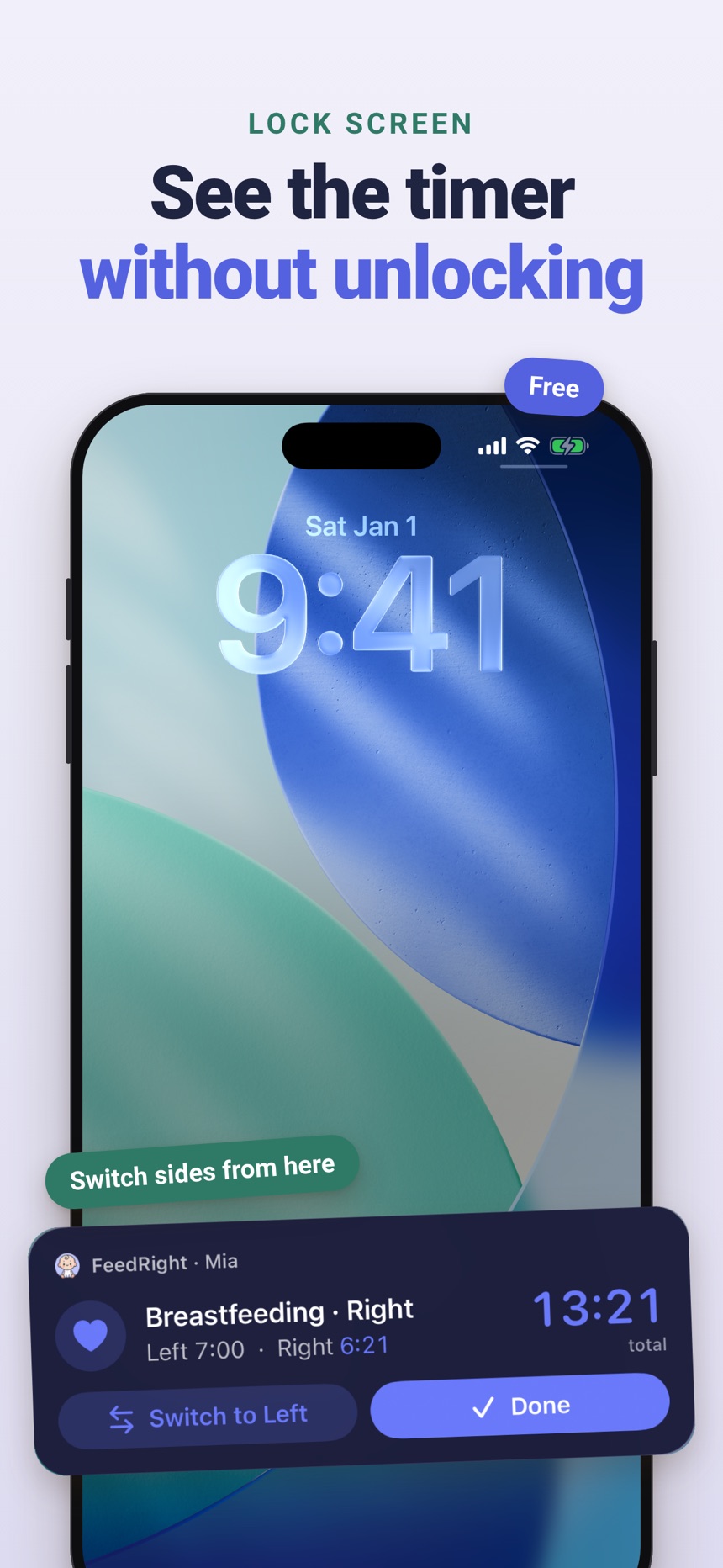
- A breastfeeding timer that remembers which side you finished on.
- Bottle, pumping, and diaper logs (wet, dirty, or both) in the same timeline.
- A daily summary and history to show your pediatrician what the evenings looked like.
Frequently asked questions
Is cluster feeding the same as feeding on demand?
Not exactly. Feeding on demand means responding to a baby’s hunger cues rather than only following a set schedule. Cluster feeding describes a period within that broader approach when feeds happen especially close together.
Does cluster feeding happen only in the evening?
No. Many caregivers notice it later in the day, but cluster feeding can happen at other times. The more useful question is whether you are seeing several closely spaced feeds in a limited period.
How long does cluster feeding last?
There is no fixed timeline that applies to every baby. It may be a short phase or come and go, so look at the overall pattern and talk to your pediatrician if you have concerns.
Is cluster feeding a sign of low milk supply?
Not necessarily. Frequent feeding on its own does not tell you whether a baby is getting enough. If you are worried about supply, diapers, or weight gain, ask your pediatrician, health visitor, or a lactation specialist.
What are the signs of cluster feeding?
Signs of cluster feeding include several feeds close together over a few hours, often in the late afternoon or evening, with fussing or feeding cues soon after each feed. Outside that stretch, the baby may feed at more usual intervals.
How can I cope with cluster feeding?
Keep water, snacks, burp cloths and a phone charger near where you feed, and agree on small jobs with another adult before the busy window starts. Lower your expectations for that part of the day, and ask your pediatrician if you are worried about feeding or diapers.