

Your newborn finished a feed what feels like five minutes ago and is already asking again. If you are wondering how often should newborns feed, the short answer is: often. Very often. Newborn stomachs are tiny, feeding is about both nutrition and comfort, and the first few weeks rarely follow a tidy schedule.
A simple goal is to feed your baby responsively: offer milk when they show early hunger cues, rather than waiting for a clock or for crying. The schedule becomes more predictable over time. For now, frequent feeds are usually part of the job.
Quick answer: Most newborns feed about 8 to 12 times in 24 hours, roughly every two to three hours, though the gaps are rarely even. Feed on early hunger cues instead of the clock, and use wet diapers and weight checks to see whether your baby is getting enough. Your pediatrician may ask you to wake a sleepy newborn for feeds in the first days.
This guide is general information, not medical advice. Every baby is different, so ask your pediatrician or health visitor about your own baby.
How often should newborns feed in the first weeks?
Most newborns feed 8 to 12 times in 24 hours, especially when breastfeeding, which matches the American Academy of Pediatrics guidance on how often and how much babies eat. That works out to roughly every two to three hours, but the gap will not always be even. Your baby may feed every hour for a stretch, then take a longer nap later. Both can be normal when baby is otherwise feeding well, having enough wet diapers, and gaining weight.
Formula-fed newborns also usually eat every two to three hours at first. In the earliest days they take small amounts, often around an ounce or two per feed, then gradually take more as their stomach capacity and appetite grow. A formula feed may sometimes keep a baby satisfied a little longer than a breastfeed, but it is still best to follow your baby’s cues rather than stretching every interval.
In the first days after birth, pediatricians often advise waking a sleepy newborn to feed if they go too long without eating, until they are back to their birth weight and feeding well. That is especially relevant for babies born early, babies with jaundice, small babies, or babies who have had trouble feeding. Ask your pediatrician how long your baby can go between feeds, since they know your baby’s health and weight pattern. If you need to wake your baby, here is how to make a sleeping baby feed safely.
Here is the same guidance at a glance.
| Situation | Typical pattern | Keep in mind |
|---|---|---|
| Breastfed newborn | About 8 to 12 times in 24 hours, roughly every two to three hours | Gaps are rarely even; some stretches feel like every hour |
| Formula-fed newborn | Usually every two to three hours at first | Small amounts in the earliest days, often around an ounce or two |
| First days after birth | Pediatricians often advise waking a sleepy newborn who goes too long without eating | Until back to birth weight and feeding well; ask your pediatrician |
Why feed the baby, not the timer?
A timer is useful for remembering when the last feed started, particularly when you are tired. It should not become a rulebook. Newborns do not read schedules, and their needs can shift from one day to the next.
Look for early hunger cues such as stirring from sleep, turning their head and opening their mouth when their cheek is touched, bringing hands to their mouth, lip-smacking, or making small sucking motions. Crying is usually a later cue. A crying baby can still feed, of course, but settling them first may make latching or bottle-feeding easier.
After a feed, signs of satisfaction may include relaxed hands, a calm body, turning away from the breast or bottle, or drifting off peacefully. These signs are more useful than expecting every feed to last the same number of minutes or the same number of ounces.
Breastfeeding can look especially unpredictable
Breast milk is digested easily, so breastfed newborns commonly want to nurse frequently. A nursing session may last 10 minutes or 40 minutes. Some babies are quick and efficient; others take their time, pause, doze, and return to eating. What matters most is whether you can hear or see active swallowing during parts of the feed, your baby seems content afterward, and weight gain is moving in the right direction.
Cluster feeding is another normal reason the clock can feel unhelpful. Your baby may want to feed repeatedly for several hours, often in the late afternoon or evening. This is exhausting, but it does not automatically mean your milk supply is low. Frequent nursing helps signal your body to make milk, particularly during early growth periods.
If nursing is painful beyond the initial latch, your nipples are damaged, or your baby consistently seems unable to transfer milk, reach out for help. A pediatrician or lactation professional can check feeding technique, milk transfer, and your baby’s individual needs.
Bottle-feeding needs a gentle pace
Whether the bottle contains formula, pumped breast milk, or a combination, newborns benefit from paced feeding. Hold your baby in a semi-upright position, keep the bottle relatively level, and allow small pauses. This gives them time to notice fullness and may reduce gulping.
Try not to pressure your baby to finish a bottle just because there is milk left. Some feeds will be bigger than others. If your baby regularly seems hungry immediately after finishing, ask your pediatrician whether the amount or feeding approach needs adjusting.
How do diapers and weight show your newborn is eating enough?
Feeding frequency is only one clue. Diapers and weight checks offer a clearer picture of whether your newborn is getting enough milk.
During the first few days, wet diapers gradually increase. By around day five, many babies have at least six wet diapers in 24 hours, as described in the NHS guide to the first few days of breastfeeding. Stool patterns change too: early dark meconium transitions to lighter stools as feeding becomes established. Our newborn diaper output chart shows what is typical day by day. Breastfed babies often have frequent yellow, seedy stools in the early weeks, though patterns vary. Formula-fed babies may stool less often, and that can still be normal if stools are soft and baby is comfortable.
Weight is another key measure. It is normal for newborns to lose some weight shortly after birth, then begin gaining as feeding gets established. Your pediatrician will monitor this at newborn visits. If weight gain is slow, the answer may be more frequent feeding, feeding support, supplementation, or a plan tailored to your baby. It is not a place to guess alone.
Signs that feeding is usually going well:
- Your baby feeds about 8 to 12 times in 24 hours and wakes for most feeds.
- You can hear or see swallowing during parts of each feed.
- Wet diapers increase over the first days, reaching around six or more a day by about day five.
- Stools change from dark meconium to yellow by the end of the first week.
- Your pediatrician is happy with weight gain at checkups.
A simple log makes those early appointments less stressful. Recording feed start times, which side you nursed on or how much was offered, and wet diapers and stools gives you a useful pattern instead of a blurry memory from a very tired week.
When is a longer stretch between feeds okay?
Once your baby has regained birth weight and your pediatrician says growth is on track, you may not need to wake them for every overnight feed. Some babies begin giving a slightly longer stretch of sleep at night, while others continue waking frequently. Both are common.
It is tempting to see a longer sleep stretch as a milestone you need to create. In the newborn phase, it is usually better to let healthy growth lead the way. Limiting daytime feeds in hopes of better sleep can backfire, particularly for breastfeeding, because regular milk removal supports supply.
Night feeds are not a sign that you are doing anything wrong. Newborn sleep cycles are immature, their stomachs are small, and they need regular calories. The work is temporary, even when the nights feel long.
When should you call your pediatrician about feeding?
Trust your instincts when something does not seem right. Contact your baby’s pediatrician promptly if your newborn is difficult to wake for feeds, refuses several feeds in a row, has noticeably fewer wet diapers than expected, vomits repeatedly, has a fever of 100.4°F (38°C) or higher rectally, or seems weak, unusually floppy, or hard to console.
Also call if you are worried about jaundice, dehydration, poor latching, painful feeds, or whether your baby is taking enough by bottle. New parents are not expected to diagnose feeding problems from the couch at 3 a.m. A quick call can offer reassurance or get you the support your baby needs.
For now, aim for frequent opportunities to feed, notice your baby’s cues, and keep the next step small: offer milk, check the diaper, take a breath, and rest when you can.
How FeedRight helps
FeedRight Baby Tracker is built for this kind of quick, everyday tracking without turning parenting into paperwork. The free version needs no account and works offline.
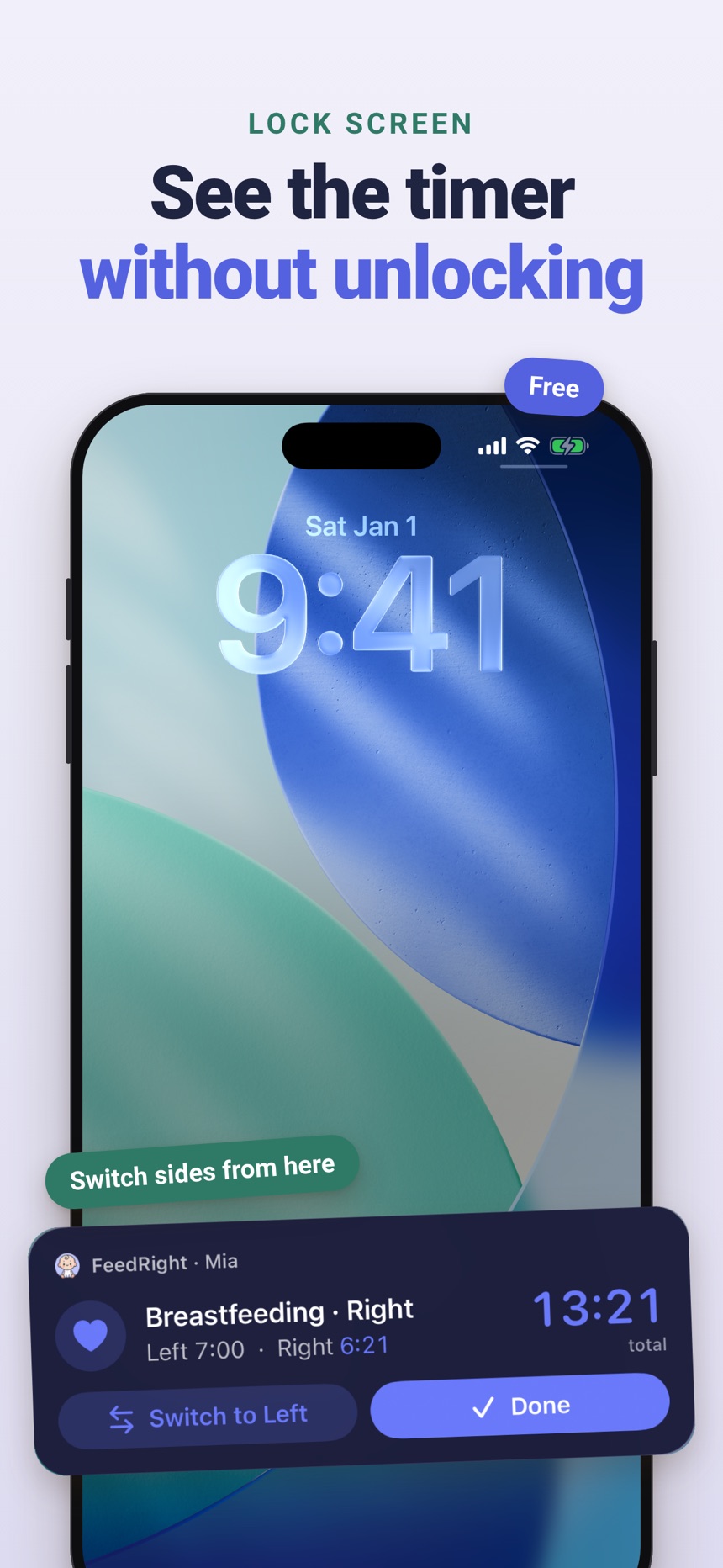
- Shows the time since the last feed and the breast you finished on.
- Logs breastfeeds, bottles, pumping, and wet or dirty diapers in one daily summary you can show at checkups.
- Sends an optional nudge a few hours after the last feed, so a sleepy stretch does not slip past you.
FeedRight is available on the App Store and Google Play. It is not a medical device and does not give medical advice.
Frequently asked questions
How many times a day should a newborn eat?
Most newborns eat about 8 to 12 times in 24 hours, roughly every two to three hours. Some feeds come closer together, especially during cluster feeding. Check with your pediatrician about what is right for your baby.
Should I wake my newborn to feed?
In the first days, many pediatricians advise waking a sleepy newborn for feeds until they regain birth weight and are feeding well. Ask your pediatrician how long your baby can safely go between feeds.
How do I know if my newborn is getting enough milk?
Look for steady wet diapers (around six or more a day by about day five), stools changing to yellow, swallowing during feeds, a content baby after most feeds, and healthy weight gain at checkups.
Is it normal for a newborn to want to feed every hour?
Yes, at times. Newborns often cluster feed for a few hours, usually in the evening. If your baby always seems hungry right after feeds or you are worried about weight gain, talk to your pediatrician.
How much formula does a newborn need per feed?
In the first days newborns take small amounts, often around an ounce or two, and gradually more as they grow. Follow your baby’s cues and your pediatrician’s advice rather than a fixed number.
What are the signs that a newborn is hungry?
Early hunger signs in a newborn include stirring from sleep, turning the head and opening the mouth when the cheek is touched, bringing hands to the mouth, lip-smacking and small sucking motions. Crying is usually a later cue, so try to offer a feed before it starts.